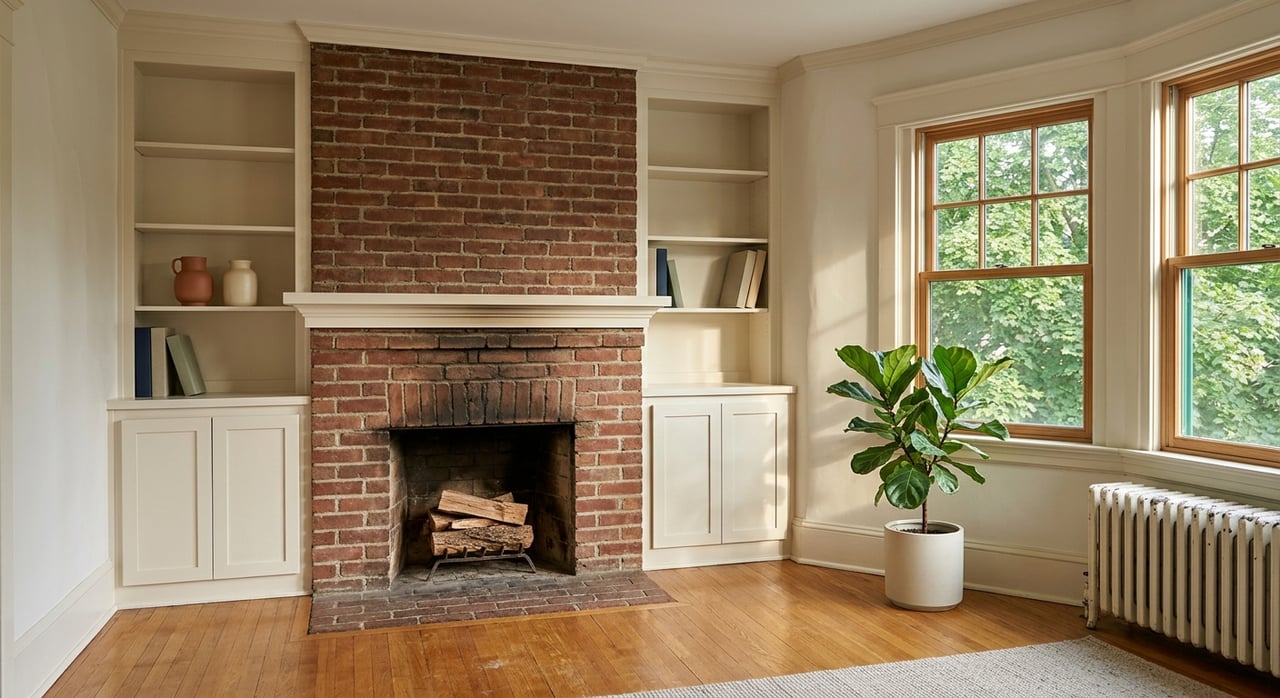
Thinking about buying a charming older home in Southwest Minneapolis? You are not alone. From brick Tudors to classic Colonials and early streetcar-era houses, this part of the city offers character that is hard to replicate, but it also comes with real questions about condition, maintenance, and future costs. If you know what to look for before you buy, you can move forward with more confidence and fewer surprises. Let’s dive in.
Why older homes are common here
Southwest Minneapolis is known for its established housing stock, and many homes here were built in the early 1900s through the 1930s. In Linden Hills, a National Register document notes that a large share of homes were built before 1940, with 22% north of 46th Street predating 1920 and 62% built between 1920 and 1940. In Fulton, the neighborhood says much of the original housing stock dates to the 1920s and 1930s, though newer infill has changed the mix on some blocks.
That means you are often comparing homes with very different update histories, even on the same street. One house may have preserved original plaster, windows, and wiring, while the next has updated mechanicals and a renovated kitchen. In Southwest Minneapolis, the key question is often not just how old is the home, but which original systems are still in place.
What to expect by neighborhood
Linden Hills housing patterns
Linden Hills developed first as a streetcar and resort area, then filled in heavily in the 1910s through 1930s. If you are shopping here, expect a strong mix of early-20th-century homes with mature lots and long-established streetscapes, as documented by the National Register neighborhood history.
Many buyers are drawn to the character, but character can also mean older windows, aging insulation, and deferred exterior maintenance. It is wise to look past finishes and focus on the condition of the roof, foundation, electrical, and plumbing.
Fulton block-by-block variety
According to the Fulton neighborhood overview, much of Fulton’s original housing stock was built in the 1920s and 1930s. At the same time, redevelopment over the last decade means you may see original homes next to newer construction.
For you as a buyer, that creates a useful comparison. A newer home may offer lower near-term maintenance, while an older home may offer architectural detail and established lot placement. The right fit depends on whether you want charm, lower immediate project risk, or a balance of both.
Lynnhurst historic considerations
Lynnhurst includes a local historic district with homes dating from 1893 to 1937. The city describes the district as including large-lot houses in styles such as Colonial Revival, Classical Revival, Tudor Revival, and Prairie School on its Lynnhurst historic district page.
If a home is in the district, exterior changes may need to follow the city’s Lynnhurst design guidelines. If you are already picturing an addition, new windows, or major exterior updates, check those rules early so your renovation plans match what is allowed.
Common issues in older homes
Roof, attic, and ice dam risks
In Minnesota, winter weather puts extra stress on older homes. The University of Minnesota Extension explains that ice dams can force water under roofing materials and lead to damage in ceilings, walls, and insulation.
The long-term fix is usually not just a roof replacement. Air sealing, insulation, moisture control, and ventilation all matter. The City of Minneapolis weatherization guidance also emphasizes reducing air leakage and improving insulation and ventilation.
Foundation and basement moisture
Basement water issues are another major watchpoint. The Consumer Financial Protection Bureau advises buyers to ask about flood or disaster damage, what was repaired, and whether repairs were inspected, and it notes that a cracked foundation can be a serious flaw.
When you tour a home, look for signs such as musty odors, fresh paint on basement walls, movement cracks, or efflorescence. Moisture problems are not always deal-breakers, but they do deserve careful review before you commit.
Older electrical systems
Some Southwest Minneapolis homes may still have legacy electrical components. The EPA’s renovation guidance specifically says assessors should identify knob-and-tube wiring and have qualified personnel replace it.
A house can look beautifully updated and still have older wiring behind the walls. If you plan to remodel, add new electrical loads, or simply want peace of mind, this is one area where detailed inspection matters.
Sewer lateral responsibility
This is one of the most important local issues to understand. In Minneapolis, the homeowner owns the private sewer lateral from the house to the city main, including the portion under the street. The city recommends a sewer inspection and camera scope before buying because cracks, collapse, or tree roots can cause backups.
The same city document says average replacement cost is $13,000, with a recent range of $2,150 to $62,000. That makes a sewer scope one of the highest-value inspections you can order on an older home.
Lead paint and lead service lines
If the home was built before 1978, it is more likely to contain lead-based paint, according to the EPA’s lead safety guidance. The main hazard is often not intact paint itself, but deteriorating paint and lead dust on high-wear areas like windows, stairs, railings, doors, and porches.
Minneapolis adds another important detail. The city says service lines installed before 1930 usually used lead piping, and property owners own the full line from the main to the house. Before you buy, you can check the city’s lead service line map and the lead-safe housing lookup by address.
Radon and asbestos
The Minnesota Department of Health recommends that every Minnesota home be tested for radon. It also says more than two in five Minnesota homes have radon levels that pose a significant health risk.
Asbestos is another issue that tends to matter most when you plan renovations. MDH explains that asbestos can be present in many older home materials, and many standard home inspectors do not specifically inspect for it. If you expect to open walls, remove flooring, or disturb older finishes, that deserves a separate conversation with the right professional.
Budgeting for maintenance and efficiency
Older homes often cost more to maintain in the first few years after purchase, especially if prior owners delayed updates. In a 2023 analysis, the Census Bureau found that owners of homes built before 1950 spent a median of $1,800 per year on upkeep, while new owners of older homes spent a median of $3,900 annually.
That is a useful reality check if you are comparing a 1930s house to a newer build. The difference is often not just style or list price. It is the possibility of catching up on deferred maintenance soon after closing.
Energy costs also deserve attention. The U.S. Department of Energy says many older homes have less insulation than homes built today, and a professional home energy assessment is the best way to identify where energy is being lost. The Energy Information Administration also found that homes built in 2000 or later used 21% less energy for space heating on average than older homes, largely because of better equipment and tighter building shells.
The good news is that efficiency improvements can often be phased in over time. Through the city’s free energy assessment and weatherization resources, you may be able to identify practical upgrades that improve comfort and help reduce surprise costs.
Smart questions to ask before offering
Before you make an offer on an older Southwest Minneapolis home, ask focused questions and make sure your inspection strategy matches the age of the property. The CFPB recommends scheduling an independent home inspection as soon as possible, attending if you can, and using an inspection clause so the deal only moves forward if the condition is acceptable.
Here are a few questions worth asking:
- How old are the roof, furnace, boiler, water heater, and electrical panel?
- Has the home had any water intrusion, foundation repair, or sewer work?
- Are there known lead-based paint hazards or older service lines?
- Has the property been tested for radon?
- If the house is in Lynnhurst, are any planned exterior changes subject to historic design review?
- What are the recent utility costs?
Who to involve during due diligence
Older homes usually benefit from a more tailored inspection process. Depending on the property, useful specialists may include:
- An independent home inspector
- A radon measurement professional
- A licensed plumber or sewer-camera contractor
- A home energy assessor
- A lead-safe certified contractor for work that disturbs paint
- A Minnesota-certified asbestos contractor if suspect materials may be disturbed
If the inspection points to significant movement or structural concerns, a structural engineer may also be a smart next step. The goal is not to create fear. It is to make sure you understand the house you are buying.
Why older homes can still be a great buy
An older home in Southwest Minneapolis can offer mature trees, established streets, enduring architecture, and details that many buyers love. It can also offer a location and sense of place that are hard to recreate in newer construction.
The key is buying with clear eyes. When you understand the likely systems, local risks, and maintenance economics, you can separate manageable updates from true red flags and make a decision that fits your budget and goals.
If you are considering an older home in Southwest Minneapolis and want a grounded, neighborhood-specific strategy, Carrie Sink can help you evaluate options, connect with trusted inspectors and trades, and move forward with confidence.
FAQs
What age of homes are common in Southwest Minneapolis?
- Many homes in neighborhoods like Linden Hills, Fulton, and Lynnhurst were built in the early 1900s through the 1930s, though some blocks also include newer infill homes.
What inspections matter most for an older Southwest Minneapolis home?
- A general home inspection is important, and older homes often also benefit from a sewer camera scope, radon test, and follow-up review of electrical, foundation, or moisture concerns.
Should you worry about lead in a pre-1978 Minneapolis home?
- You should treat lead as a normal due-diligence item, especially for paint, dust, and possible older service lines, and check the city’s lead resources by address.
Do older Minneapolis homes usually cost more to maintain?
- They can, especially in the first few years after purchase if there is deferred maintenance, and Census data show new owners of older homes often spend more on upkeep than longtime owners.
What should buyers know about Lynnhurst historic district homes?
- If a home is in the Lynnhurst local historic district, some exterior changes may need to follow city design guidelines, so it is smart to verify that before planning major updates.