Thinking about listing your Lake Minnetonka property and wondering what will truly move the needle on price and days on market? You’re not alone. Upper‑bracket buyers are selective, and in Orono they look hard at shoreline function, dock rights, and documentation before they fall in love with finishes. This guide shows you how to position your lake home for premium offers with a local, step‑by‑step plan tailored to Orono and Lake Minnetonka. Let’s dive in.
What high‑end buyers want in Orono
Waterfront specifics that sell
Serious buyers evaluate the shoreline first. Water depth at the dock, the lakebed type, and how the bay behaves in different wind conditions all affect usability. The Lake Minnetonka Conservation District’s lakeshore guidance explains how depth and bay characteristics tie into dock allowances and everyday use.
Shoreline condition matters too. A stable edge with native plant buffers reads as well‑cared‑for and lower risk. The Minnesota DNR’s Restore Your Shore shows examples of natural buffers and soft‑engineered stabilization that protect water quality and look great to buyers.
Dock, lifts and mooring rights
Dock configuration and legal entitlements are foundational on Lake Minnetonka. Buyers will ask what is permitted today and what can remain. The LMCD regulates dock length, side setbacks, and watercraft density. Be ready with permit numbers, drawings, and any variance history from the LMCD. If you have covered lifts or a boathouse, confirm whether special approvals apply per LMCD and the DNR’s dock rules.
Privacy, views and outdoor living
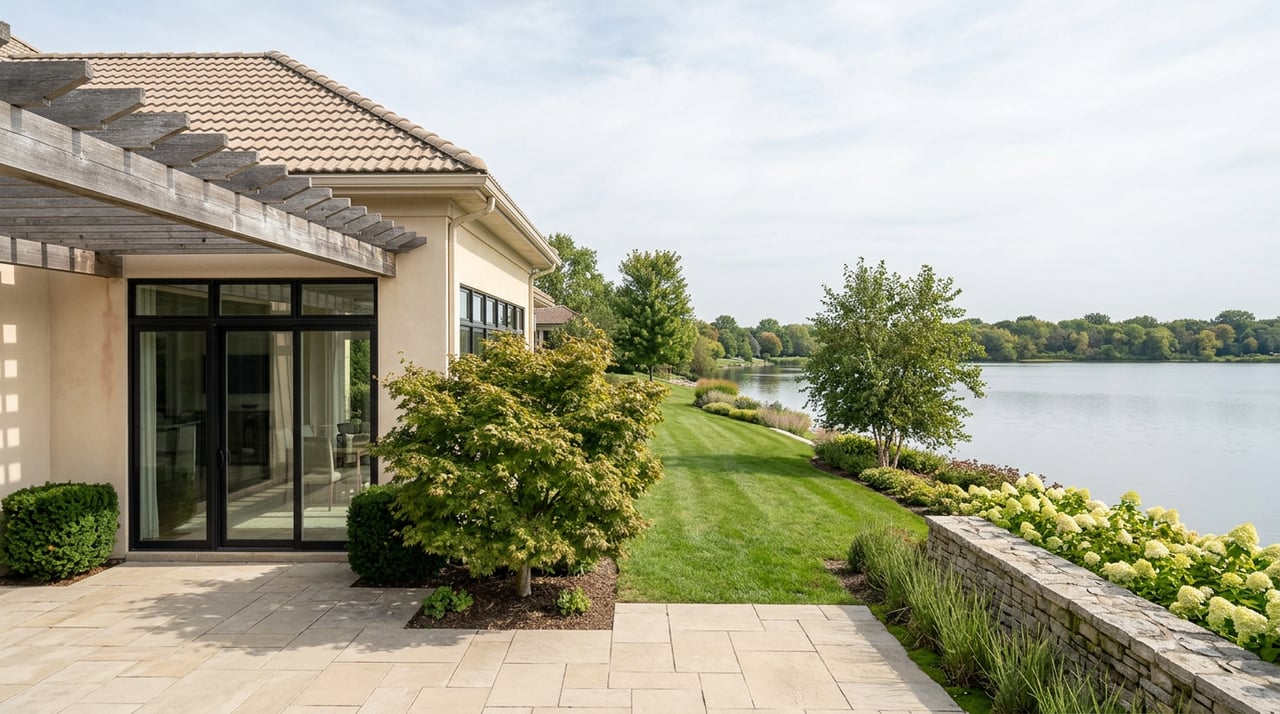
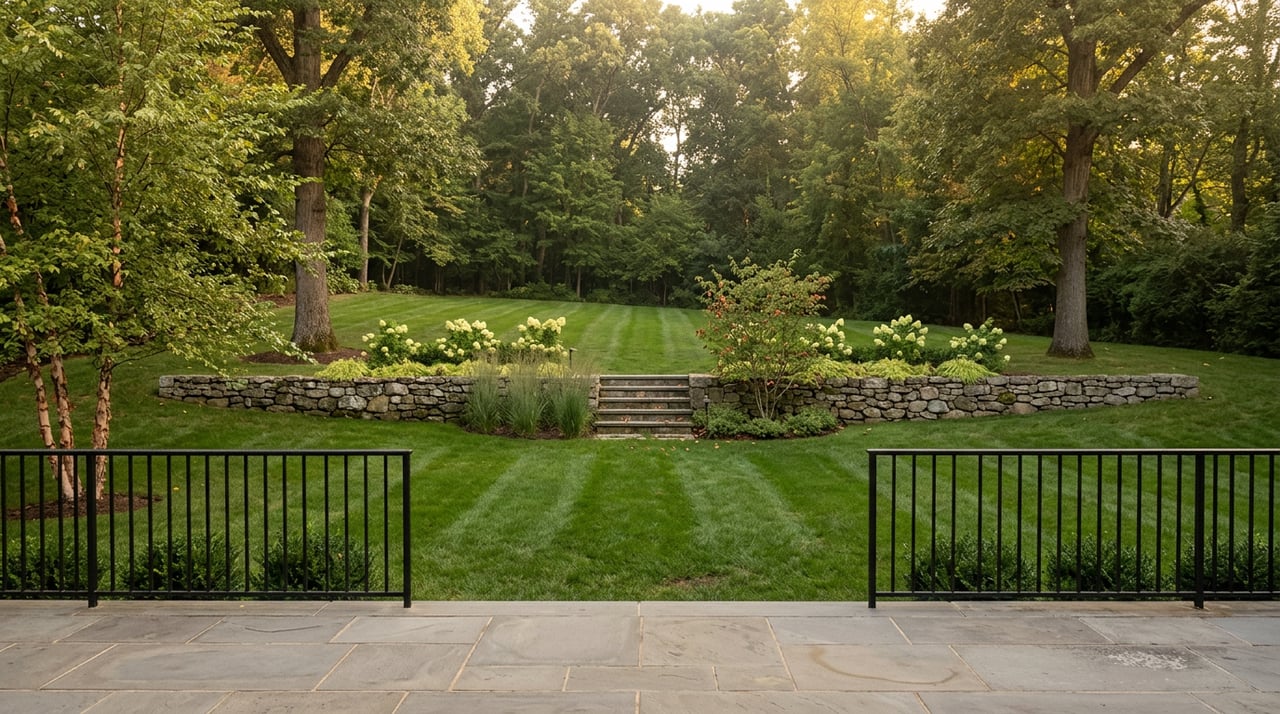
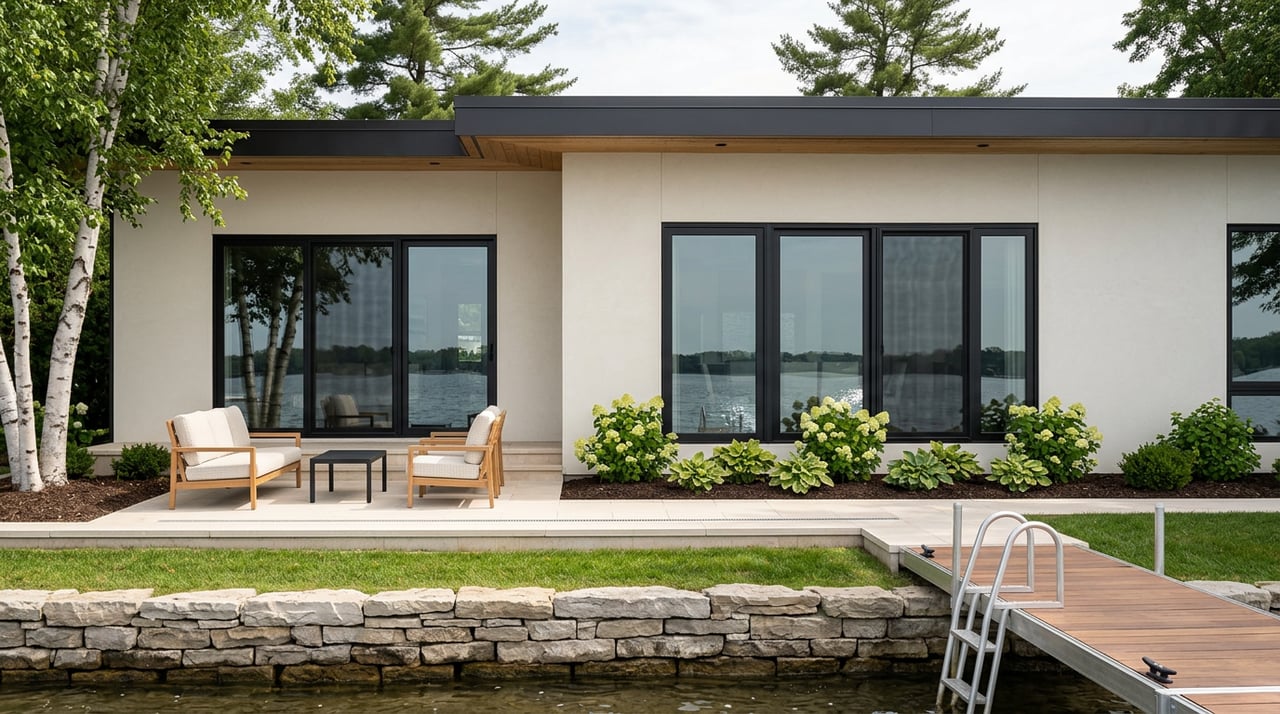
Upper‑bracket buyers want well‑designed outdoor rooms and framed views rather than a lawn that runs straight to the water. Defined seating and dining zones, a clear path to the dock, and selective pruning that protects a native buffer create a premium feel. The DNR’s lakescaping resources encourage buffers and intentional view planning that also support water quality.
Systems and documentation
Many Orono shoreline homes rely on septic and private wells. Hennepin County maintains records and notes that while an inspection may not be required to transfer, lenders and buyers often request proof of septic compliance and recent well testing. Gather records early using the county’s septic systems program so you can answer questions with confidence.
Permits and records to gather before listing
Collect these documents and contacts so buyers can verify what they care about most:
- LMCD dock entitlements, permits and any variances. Start with the LMCD lakeshore owners page.
- DNR permitting thresholds for docks and over‑water platforms. Review the DNR’s shoreline alteration and docks guidance.
- City of Orono permits, shoreland overlay info, and any prior building or zoning approvals. Use the city’s Permits and Land Use portal.
- Septic records and any existing compliance certificates; well water test results. See Hennepin County’s septic program.
- Watershed project records for any shoreline restoration or stormwater work. MCWD’s local projects, like the Big Island restoration, illustrate the kind of documentation buyers appreciate.
- Flood zone information and elevation context from FEMA’s Flood Map Service Center.
Upgrades that boost premium offers
Prioritize projects that reduce risk for buyers and elevate the lake lifestyle your property delivers.
High‑priority shoreline and dock work
- Confirm and document dock rights. Provide LMCD permits and a simple diagram of allowed length, slips, and setbacks. Keep lifts and canopies clean and functioning.
- Stabilize failing edges. If your seawall or riprap needs work, get a professional evaluation and local quotes. Cost varies by site and scope, but national ranges in resources like HomeGuide can help you frame options while you obtain three bids.
- Add or refresh a native buffer. Even modest lakescaping can improve perception and signal stewardship. The DNR’s Restore Your Shore offers practical designs.
These items often matter more to lake‑first buyers than a mid‑range interior refresh.
Septic and well confidence
Provide recent pumping receipts, a voluntary septic compliance inspection if the system is older, and up‑to‑date water test results. Clear documentation from Hennepin County and your contractor reduces friction during inspections and underwriting.
Lifestyle and staging
Curate outdoor rooms that connect to the shoreline: a dining terrace, a lounge near the water’s edge, and a well‑lit path to the dock. Inside, stage for clean sightlines to the lake and schedule polished photography with twilight and aerials. Luxury buyers expect premium presentation, and aerials help them understand shoreline, privacy, and setting.
Mechanical and finish readiness
Buyers paying top dollar expect turnkey systems. Provide service records for roof, HVAC, pumps, and smart controls. In kitchens and baths, tasteful updates with quality fixtures and neutral finishes go further than scattered low‑end swaps.
Timeline to hit the spring market
Orono lake homes show best when buyers can experience the lake lifestyle. If you plan a late spring or early summer launch, start 8 to 12 weeks ahead.
8–12 weeks out
- Engage a Lake Minnetonka‑savvy agent. They will help prioritize LMCD, DNR, and Orono steps and recommend lake‑experienced contractors. Use the LMCD owner resources to understand what buyers will ask.
- Pull your survey, dock drawings, and prior permits or variances. Confirm any easements that affect riparian or dock access.
- Request septic records from Hennepin County and consider a voluntary compliance inspection. Gather well test history using the county’s septic guidance.
- If the shoreline or dock needs attention, schedule professional evaluations and bids. Use general ranges, like those summarized by HomeGuide, only as a starting point until you have site‑specific quotes.
4–8 weeks out
- Complete high‑priority safety and function repairs on docks, lifts, and critical systems.
- If any shoreline work needs permits, start applications now using the DNR’s docks and shoreline guidance. Agency review can take time.
- Install or refresh a native buffer and tidy outdoor living zones. If you participated in a watershed project, keep those records handy. MCWD’s project examples show what buyers recognize as credible restoration.
- Book professional photography with twilight and drone to capture current water and landscape conditions.
2 weeks out
- Assemble a clean listing packet: survey, LMCD and DNR permits, Orono permits, septic records, well test, shoreline and dock invoices, warranties, and any HOA or common land agreements. Include a one‑page lake‑use summary with dock dimensions, water depth at Ordinary High Water, and usage notes.
- Finalize staging and curb appeal. Keep docks clear of clutter and store extra water toys.
Listing week
- Launch with a visual package that leads with dock entitlements, shoreline length, water depth, and outdoor living. Highlight restoration or stabilization work with permits and invoices.
- Offer showing guidance for safe dock access and clear waterfront pathways.
Common buyer questions to prepare for
- What are the LMCD dock entitlements and any variances? Provide LMCD permit numbers and diagrams from the lakeshore owners page.
- What is the water depth at the dock at Ordinary High Water? Include recent depth readings and a simple site sketch.
- Has shoreline stabilization been permitted and inspected? Share DNR, MCWD, and contractor documentation; point to projects like MCWD’s Big Island restoration as context.
- How old is the septic system and when was it last pumped? Provide Hennepin County records and any compliance inspection results via the county’s septic program.
- What is the aquatic invasive species context? Share your prevention steps and refer buyers to LMCD’s zebra mussel and AIS resources.
- Is the property in a flood zone? Offer FEMA map printouts from the Flood Map Service Center.
Red flags to solve early
- Unclear dock rights. Remedy by obtaining LMCD records and, if needed, pursuing documentation or a variance with professional guidance.
- Failing seawall or visible erosion. Get a stabilization plan and timeline, or decide between completing work pre‑sale or offering a credit based on bids. Use general cost references like HomeGuide only as a frame for discussions while you collect local quotes.
- Old or undocumented septic and well. Order a voluntary septic compliance inspection and water tests. Disclose results with a pragmatic plan for upgrades if needed, supported by Hennepin County documentation.
- Heavy AIS presence without a management history. Disclose, show recent monitoring or treatment records, and share LMCD prevention guidance.
Ready to list with confidence?
You only get one first impression. When your shoreline, dock rights, documentation, and lifestyle presentation work together, you widen your buyer pool and protect your sale price. If you want a calm, step‑by‑step plan and premium marketing built for Orono and Lake Minnetonka, reach out to Carrie Sink to get started.
FAQs
What paperwork do I need before listing an Orono lake home?
- Gather LMCD dock permits and variances, DNR shoreline paperwork, City of Orono permits, Hennepin County septic records, well test results, and any watershed project documentation.
How do I prove my dock rights on Lake Minnetonka?
- Request permit history and any variances from the LMCD and prepare a simple diagram showing authorized dock length, slips, and setbacks.
Do I need a septic inspection to sell in Hennepin County?
- A county inspection is not automatically required at sale, but buyers and lenders often request a recent compliance inspection; disclosure is mandatory, so obtain records from the county’s septic program.
Which shoreline projects usually need a DNR permit?
- Larger in‑water or shoreline changes, such as dredging, major seawalls, or extensive vegetation removal, often need approval; review the DNR’s shoreline alteration guidance and start early.
When is the best time to list an Orono lake home?
- Late spring through early summer is the prime window so buyers can experience the lake lifestyle; begin preparation 8 to 12 weeks ahead to hit that timeline.